
Vidanto
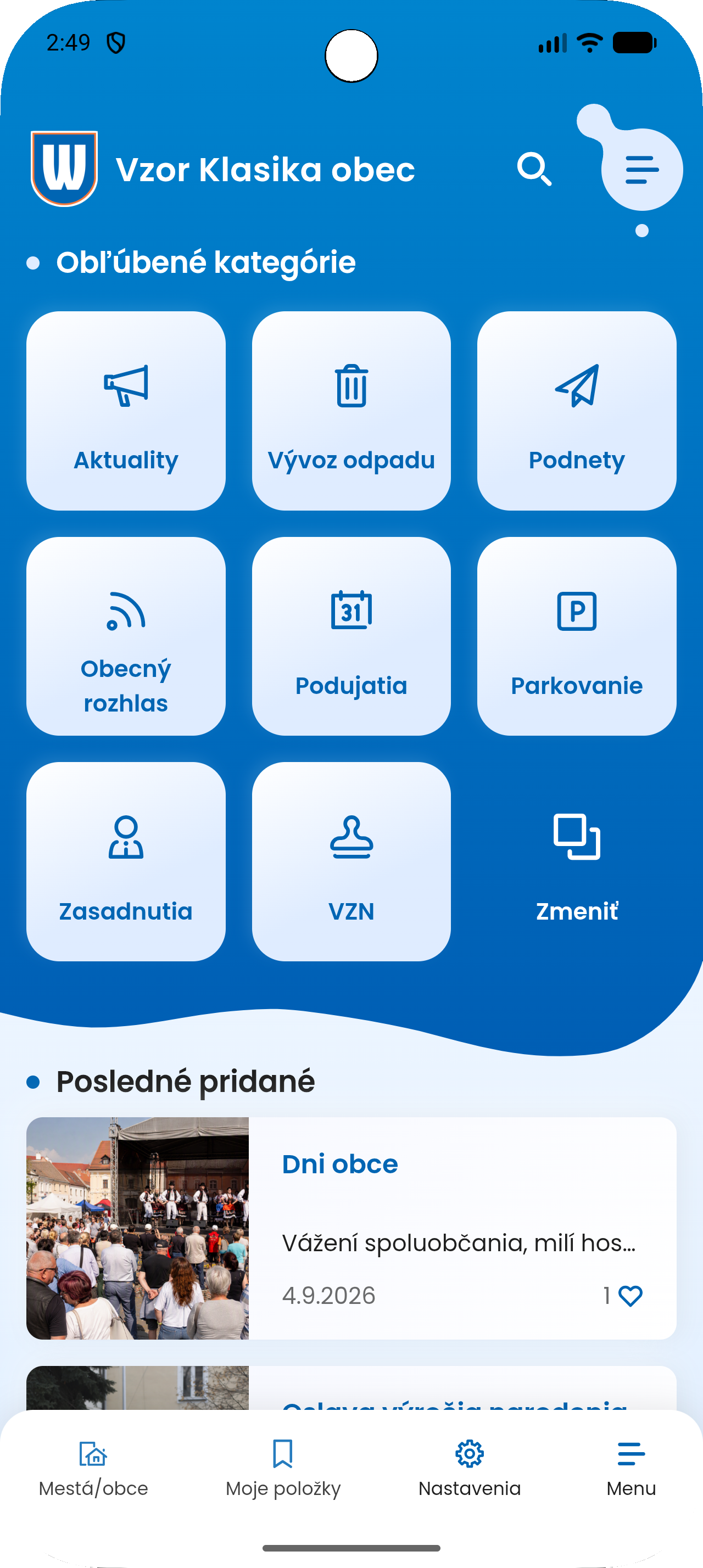
Vidanto is a Slovak mobile app that makes information about towns and villages easier to access. In cooperation with Inogile, I worked as a mobile developer on the app, focusing on accessible interface implementation and chatbot integration.
My Role
I contributed to the mobile application across its interface and interaction layers. My work included building reusable UI components, applying accessibility patterns throughout the app, and integrating a conversational assistant into the user experience.
What I Built
Accessible Mobile App
Accessibility informed the implementation of the mobile app rather than being treated as a final polish step. I worked on screen reader support, predictable focus management, sufficient color contrast, and appropriately sized touch targets. These details help people with visual or motor impairments navigate and operate the app, and support its alignment with WCAG guidelines.
AI Chatbot
I integrated an AI chatbot API to provide a conversational way for users to ask questions and get help navigating the platform. The interaction was designed to be clear and straightforward, including for people less familiar with mobile technology.
Accessible UI Components
I implemented reusable interface components with accessibility patterns built in. This included clearly labelled inputs, semantic structure, and feedback that assistive technologies can communicate to users. Applying these patterns consistently helps make the interface easier to understand and use across the app.
Tech
- Quasar 2 — UI framework used to build the mobile application interface
- Capacitor — packaging the application for iOS and Android
- Vue 3 + TypeScript — reusable components, typed UI logic, and application state
- AI Chatbot API — integration of the conversational assistant
- WCAG 2.1 — accessibility guidelines informing interface implementation
 1 / 3